%2Ffit-in%2F250x250%2Fguide_websites%2F119513%2Fimages%2F1771310307532593359210_122112721977075607_2576200756949795886_n.jpg&w=1200&q=100)
/users/3ecdbcec-d331-4a9b-aaae-51f9991a5ca2/ratecard/595905333_122114008059075607_8611712633167962403_n-mlq72t3o.jpg)
%2F300x300%2Fusers%2F3ecdbcec-d331-4a9b-aaae-51f9991a5ca2%2Fratecard%2F595905333_122114008059075607_8611712633167962403_n-mlq72t3o.jpg&w=256&q=75)
%2F300x300%2Fusers%2F3ecdbcec-d331-4a9b-aaae-51f9991a5ca2%2Fimages%2Fhunting-expedition-ontario-2484.jpg&w=256&q=75)
%2F300x300%2Fusers%2F3ecdbcec-d331-4a9b-aaae-51f9991a5ca2%2Fimages%2Fkapuskasing-hunting-adventure-2392.jpg&w=256&q=75)
%2F300x300%2Fusers%2F3ecdbcec-d331-4a9b-aaae-51f9991a5ca2%2Fimages%2Fhunting-best-fish-ontario-2488.jpg&w=256&q=75)
%2F300x300%2Fusers%2F3ecdbcec-d331-4a9b-aaae-51f9991a5ca2%2Fimages%2Fskilled-ontario-hunter-at-work-2357.jpg&w=256&q=75)
%2F300x300%2Fusers%2F3ecdbcec-d331-4a9b-aaae-51f9991a5ca2%2Fimages%2Fhunting-trio-ontario-2468.jpg&w=256&q=75)
%2F300x300%2Fusers%2F3ecdbcec-d331-4a9b-aaae-51f9991a5ca2%2Fimages%2Ffishing-kapuskasing-2671.jpg&w=256&q=75)
%2F300x300%2Fusers%2F3ecdbcec-d331-4a9b-aaae-51f9991a5ca2%2Fimages%2Ffishing-kapuskasing-2572.jpg&w=256&q=75)
%2F300x300%2Fusers%2F3ecdbcec-d331-4a9b-aaae-51f9991a5ca2%2Fimages%2Fnorthern-pike-kapuskasing-hunting-2568.jpg&w=256&q=75)
%2F300x300%2Fusers%2F3ecdbcec-d331-4a9b-aaae-51f9991a5ca2%2Fimages%2Fwalleye-hunt-kapuskasing-2562.jpg&w=256&q=75)
%2F300x300%2Fusers%2F3ecdbcec-d331-4a9b-aaae-51f9991a5ca2%2Fimages%2Fhunting-duo-ontario-2586.jpg&w=256&q=75)
Kapuskasing River Fishing Kapriver Outfitters
 Kapuskasing
What you will be catching:
 American Yellow Perch
 Northern Pike
 Smallmouth Bass
 Walleye
- 4-hour guided fishing trips on productive Kapuskasing River waters
- Complete equipment, live bait, and fish cleaning services included
- Small groups of 2 anglers per boat with expert guidance
Trip Pricing and Availabilities:
Kapuskasing River Fishing Trips
When you're looking for a solid day of fishing without the fuss, our Kapuskasing River trips deliver exactly what you want. Four hours on the water, professional gear, and some of the most reliable fishing in northeastern Ontario. Whether you're an early bird who loves the 6 AM start or prefer the afternoon bite at 1 PM, you'll find yourself in good hands with our experienced guides who know every bend, drop-off, and honey hole along this productive stretch of river.
What to Expect on the Water
Your day starts with a quick meet-up where we'll get you sorted with everything you need – rods, reels, tackle, and fresh live bait. No need to stress about forgetting anything or buying gear you'll only use once. We run 14-foot Lund boats that handle the Kapuskasing's current beautifully and give you plenty of room to work. With just two anglers per boat, you get personalized attention and won't be fighting for elbow room when that big walleye decides to make a run. The river offers excellent structure with rocky points, weed beds, and deeper pools that hold fish year-round. Our guides read the water conditions daily and adjust routes accordingly, so you're always fishing the most productive areas. The pace is relaxed but focused – we're here to put you on fish, not rush through the experience. Between the quality equipment and local knowledge, you'll be amazed how much more effective you become when everything is dialed in properly.
Casting and Trolling Tactics
We mix up our approach depending on what the fish are telling us each day. Casting lets you work specific structure like fallen timber and rocky shelves where bass love to ambush prey. You'll learn to read the subtle signs – a swirl near cover, baitfish jumping, or that perfect current seam where predators wait. When we're covering water to locate active schools, trolling becomes your best friend. We'll set you up with the right lures at the proper depth and speed, then cruise productive stretches while you enjoy the scenery and wait for that rod to bend. The Kapuskasing's current helps give your presentations natural action that triggers strikes from curious fish. Live bait comes into play when things get tough or when targeting specific species like perch that can't resist a wiggling minnow. Our guides carry a variety of presentations and aren't afraid to switch things up if one technique isn't producing. You'll leave knowing more about reading water and fish behavior than when you arrived.
Top Catches This Season
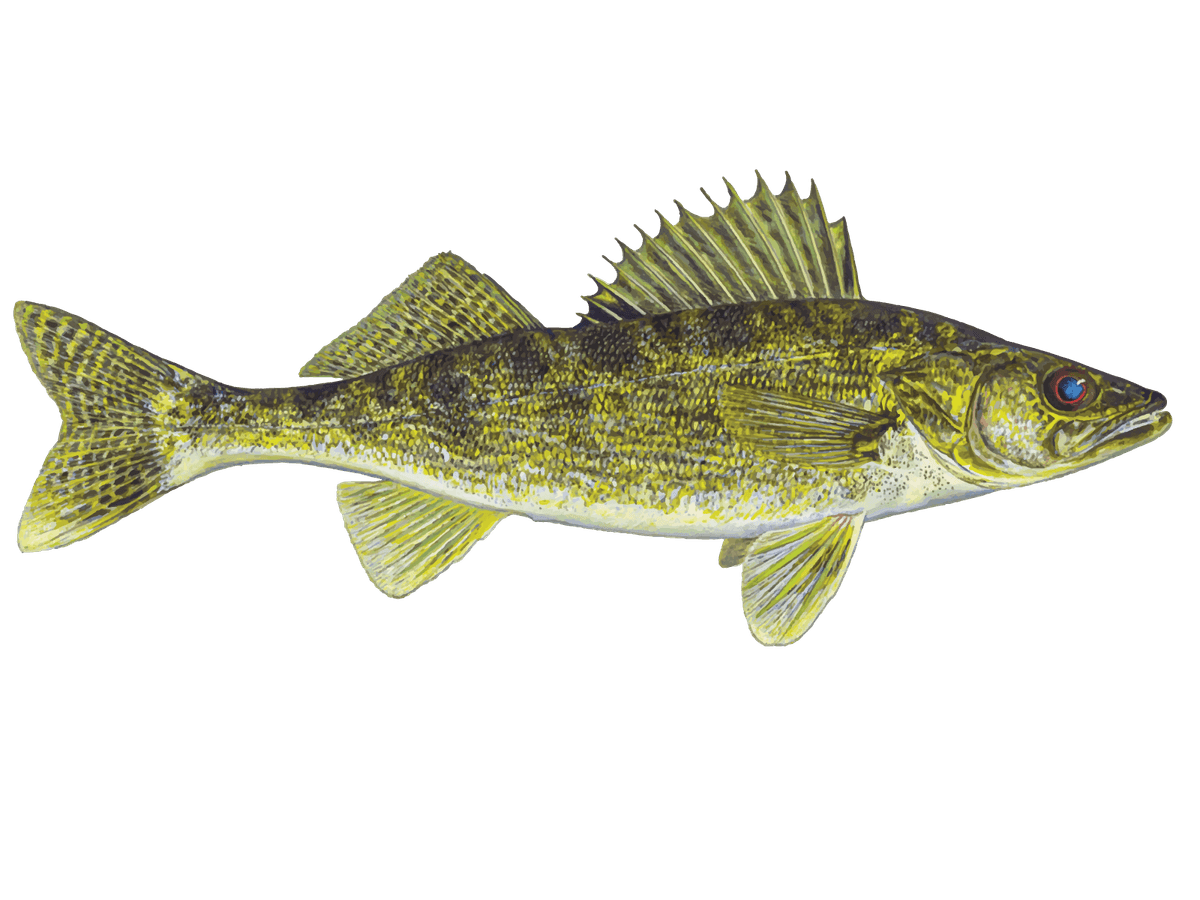
Walleye remain the bread and butter of Kapuskasing fishing, and for good reason. These golden beauties average 2-4 pounds with plenty of bigger fish mixed in to keep things interesting. They're most active during low-light periods, making both our morning and evening trips productive. Walleye love the river's rocky structure and current breaks, and once you learn to feel that subtle tap-tap bite, you'll be hooked on targeting them. The meat is incredible – firm, white, and perfect for a shore lunch if you want to keep a few.
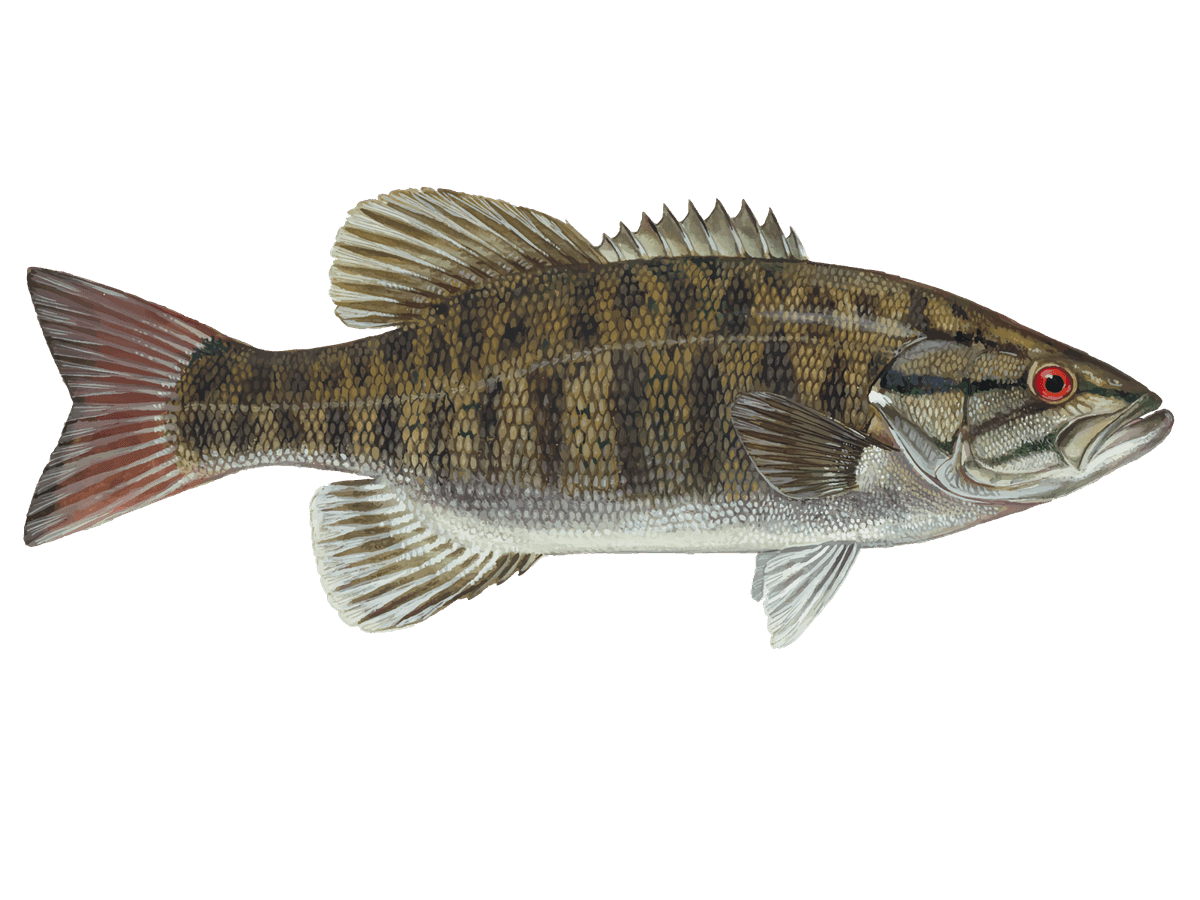
Smallmouth bass bring the fight that gets your heart pumping. The Kapuskasing holds some chunky bronzebacks that will test your drag and make spectacular jumps when hooked. These aggressive feeders hit hard and fight harder, often going airborne multiple times before coming to the net. They're particularly active during summer months when water temperatures climb, and they'll absolutely crush topwater presentations near rocky shorelines and current breaks.
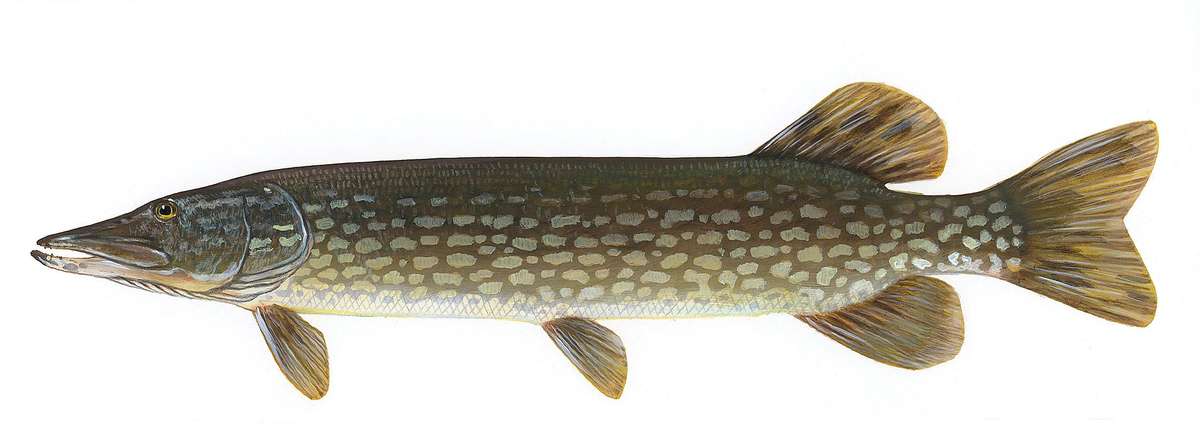
Northern pike patrol the weedier sections and backwater areas, waiting to ambush anything that moves. These toothy predators can stretch over 30 inches and provide explosive strikes that will wake you up fast. Pike fishing is visual and exciting – you'll often see them follow your lure before deciding to strike. They're less picky about presentation but demand respect when handling due to their sharp teeth and attitude.
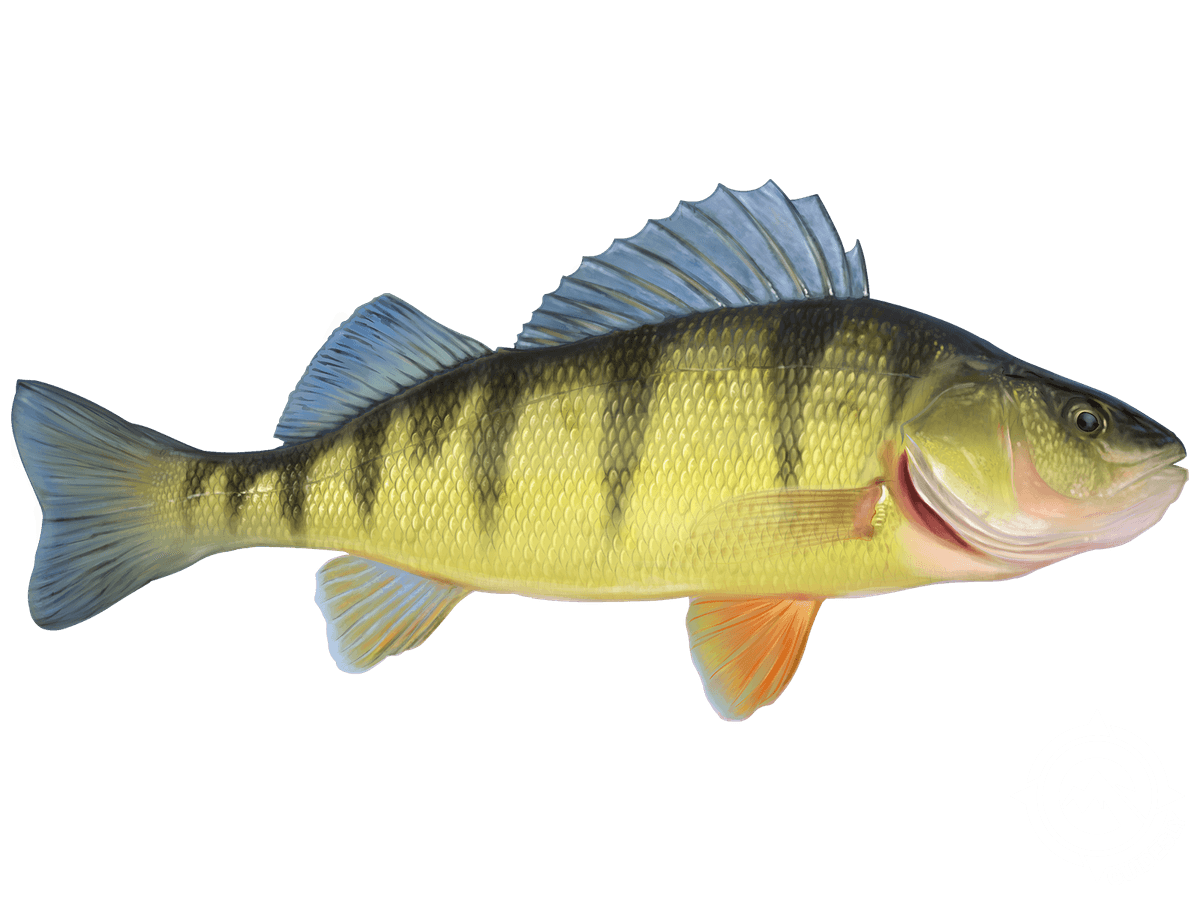
American Yellow Perch might be smaller, but they make up for size with numbers and taste. Schools of jumbo perch move through the river system seasonally, and when you find them, fast action is almost guaranteed. They're perfect for anglers who enjoy consistent bites and make excellent table fare. Kids especially love perch fishing because the action stays steady once you locate a school.
Time to Book Your Spot
For $400, you get four hours of guided fishing with everything provided except your fishing license – and trust me, it's worth every penny when you see how much more productive you are with the right equipment and local knowledge. The two-angler limit keeps things personal and ensures you get the attention you deserve. Morning trips let you experience the river coming alive with the sunrise, while afternoon sessions often produce during the evening bite as things cool down. With three boats available, we can accommodate different skill levels and preferences on the same day. Remember that deposits are non-refundable, so commit when you're ready to get on the water. The Kapuskasing River offers some of the most consistent fishing in the region, and our top-rated guides know exactly how to put you on the good stuff. Don't let another season pass without experiencing what this renowned fishery has to offer.
Learn more about the species
American Yellow Perch
Yellow perch might be smaller fish, but they're some of the most reliable action you'll find on the river. Most run 6-10 inches with the occasional jumbo pushing 12+ inches. They school up tight, so when you find one, there's usually more nearby. Look for them around weedy areas, docks, and anywhere there's structure in 5-15 feet of water. They're active almost year-round, but spring and fall are best when they're feeding heavily before and after spawning. What makes perch fishing fun is the steady action - they bite aggressively and it's not uncommon to catch a dozen or more once you locate a school. Plus, they're fantastic eating with sweet, flaky white meat that's perfect for a fish fry. Light tackle is key here since they have smaller mouths. My go-to tip for perch is to use small jigs tipped with minnows or worms, and once you catch one, don't move the boat - work that spot thoroughly because the school is probably still there.
Northern Pike
Northern pike are the river's apex predator and always provide some excitement. These toothy fighters average 24-30 inches, but don't be surprised if you hook into something pushing 35+ inches. They lurk in weedy areas, around downed trees, and along current breaks waiting to ambush anything that swims by. Pike are active almost year-round, but spring and fall offer the most consistent action when they're feeding heavily. What guests love about pike fishing is the explosive strike - they hit hard and fight dirty with those head-shaking runs. They're not the best table fare compared to walleye, but the thrill of hooking one makes up for it. These fish have razor-sharp teeth, so we always use a steel leader. Here's something that works well on the Kapuskasing - when a pike follows your lure but won't commit, stop reeling and let it sink. That change often triggers them to strike. Just be ready when they do!
Smallmouth Bass
Smallmouth bass are pound-for-pound some of the scrappiest fish in the river. Most run 12-16 inches, but the bigger ones around 18-20 inches will give you a real workout with those acrobatic jumps and hard runs. You'll find them around rocky areas, fallen timber, and drop-offs where they can ambush prey. They love clear water with gravel or rock bottoms, which the Kapuskasing has plenty of. Spring through early fall is your best bet, especially when there's a light chop on the water. Early morning and evening are prime times, though they'll hit all day if conditions are right. What makes them special is that fight - they don't give up easy and will jump clear out of the water trying to throw your hook. The meat's firm and tasty too. One trick that works well here is to work your lure slower than you think - pause that jig or soft plastic for a few seconds between hops. That's often when they strike.
Walleye
Walleye are the gold standard for eating in these waters - that sweet, flaky white meat is hard to beat. They typically run 15-20 inches here on the Kapuskasing, with some pushing 25+ inches if you're lucky. These fish have those distinctive glassy eyes that help them hunt in low light, which is why dawn and dusk trips produce the best action. During the day, walleye hold in deeper holes and around structure like fallen trees or rock piles, then move shallow to feed when the sun drops. Spring and fall are prime time when water temps hit that 60-70 degree sweet spot. They're not flashy fighters, but they pull steady and make you work for it. Here's a tip that works well on this river - when you feel that telltale "tap-tap" bite, don't set the hook right away. Let them take it for a second or two, then lift firm and steady. They like to mouth the bait first.